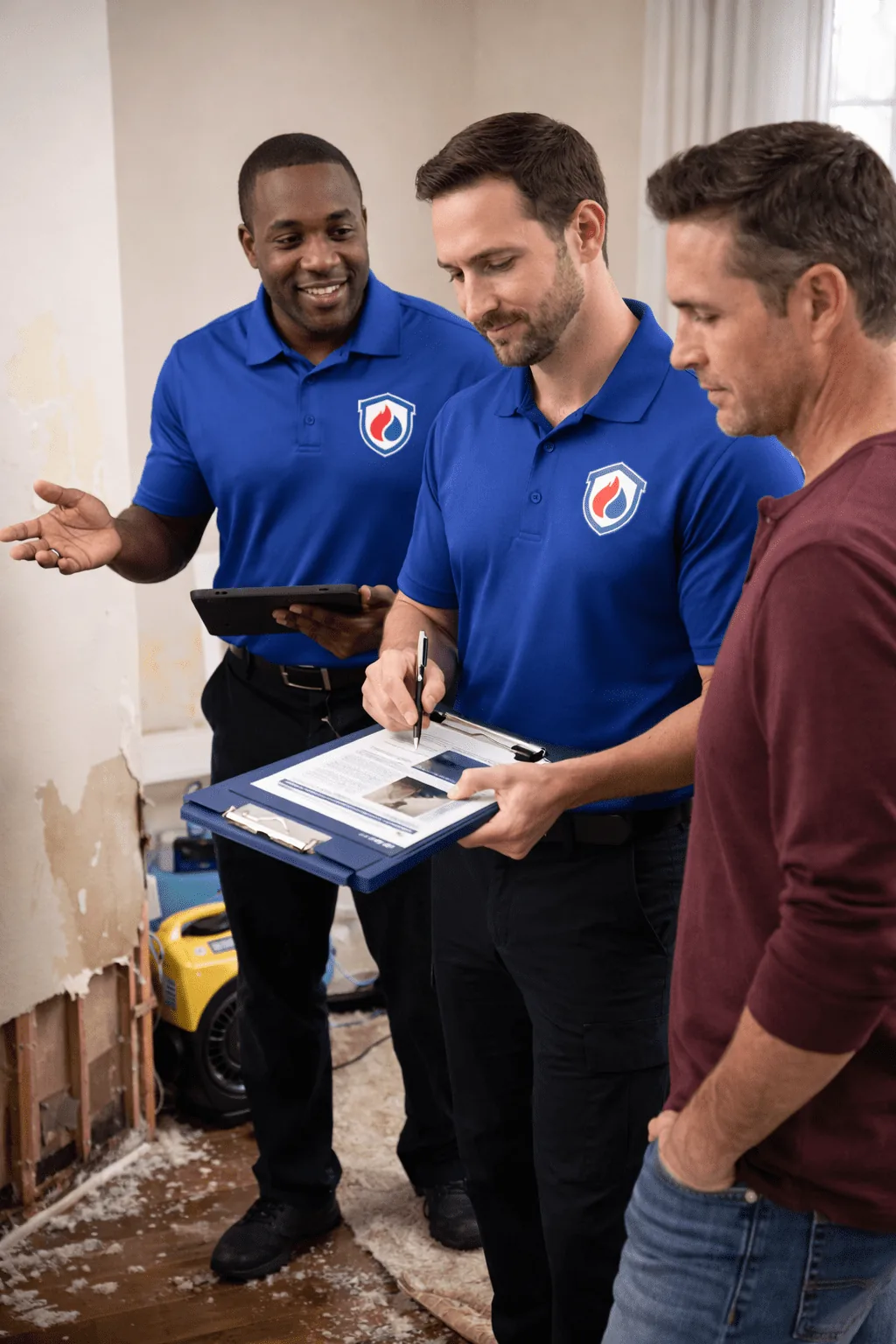
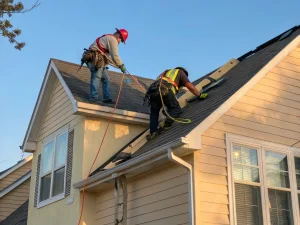
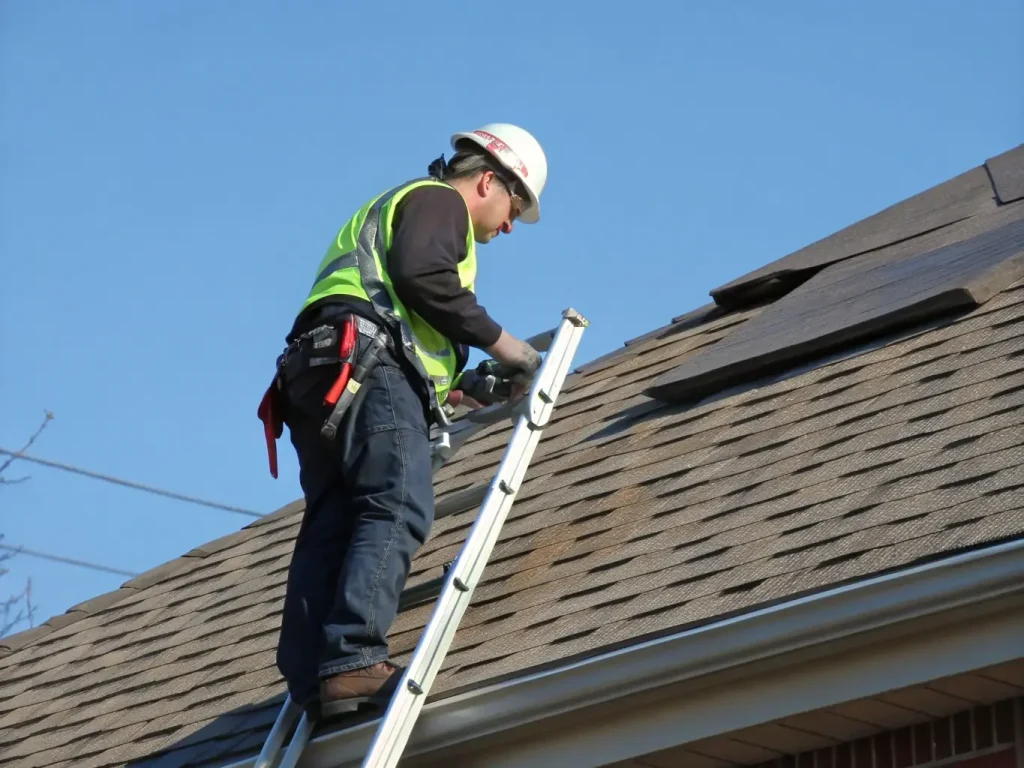
We offer a free, no-obligation roof inspection. Storm damage restoration costs depend on the affected area, roofing materials, access, replacement needs and any interior water cleanup or drying. We explain the proposed scope and estimate and can provide damage documentation for your adjuster. Ask your insurance company which records it needs and whether the specific loss is covered. Coverage, deductibles and claim decisions remain with your insurer.
Ask your insurance company how a claim may affect your policy, premiums, or renewal terms. The answer depends on your insurer, policy, and circumstances. Pro Restorations can document property damage and explain the proposed repair work, while your insurer answers questions about how filing a claim may affect your coverage or costs.
Ask your insurer to explain its decision and the documents it needs to review your concerns. We can assess visible damage and provide photos, repair details, and a written scope to support further discussions. Tell us which areas or repairs you believe were omitted so those conditions can be documented. Your insurer decides whether additional information changes its assessment; documenting more damage does not guarantee approval or a different payment.
The start date and duration depend on the damage, weather, access, crew availability, building materials and agreed repair scope. Call 303-558-8779 day or night about active leaks or exposed materials that need immediate attention. An assessment helps establish appropriate emergency protection and when restoration work can begin. Severe cases involving structural damage or extensive interior water damage may require further evaluation and drying before repairs proceed. We discuss expected milestones and keep you informed as scheduling changes.
Ask a restoration company about relevant roofing experience, licensing, insurance documentation and applicable building requirements. Confirm whether a project manager or another restoration professional will coordinate scheduling and provide updates throughout the process. Review the written scope, included services and workmanship and manufacturer warranty terms. Customer feedback can help you assess communication, cleanup and completed restoration work. Request the warranty conditions, care requirements and instructions for reporting concerns for your project before work begins.
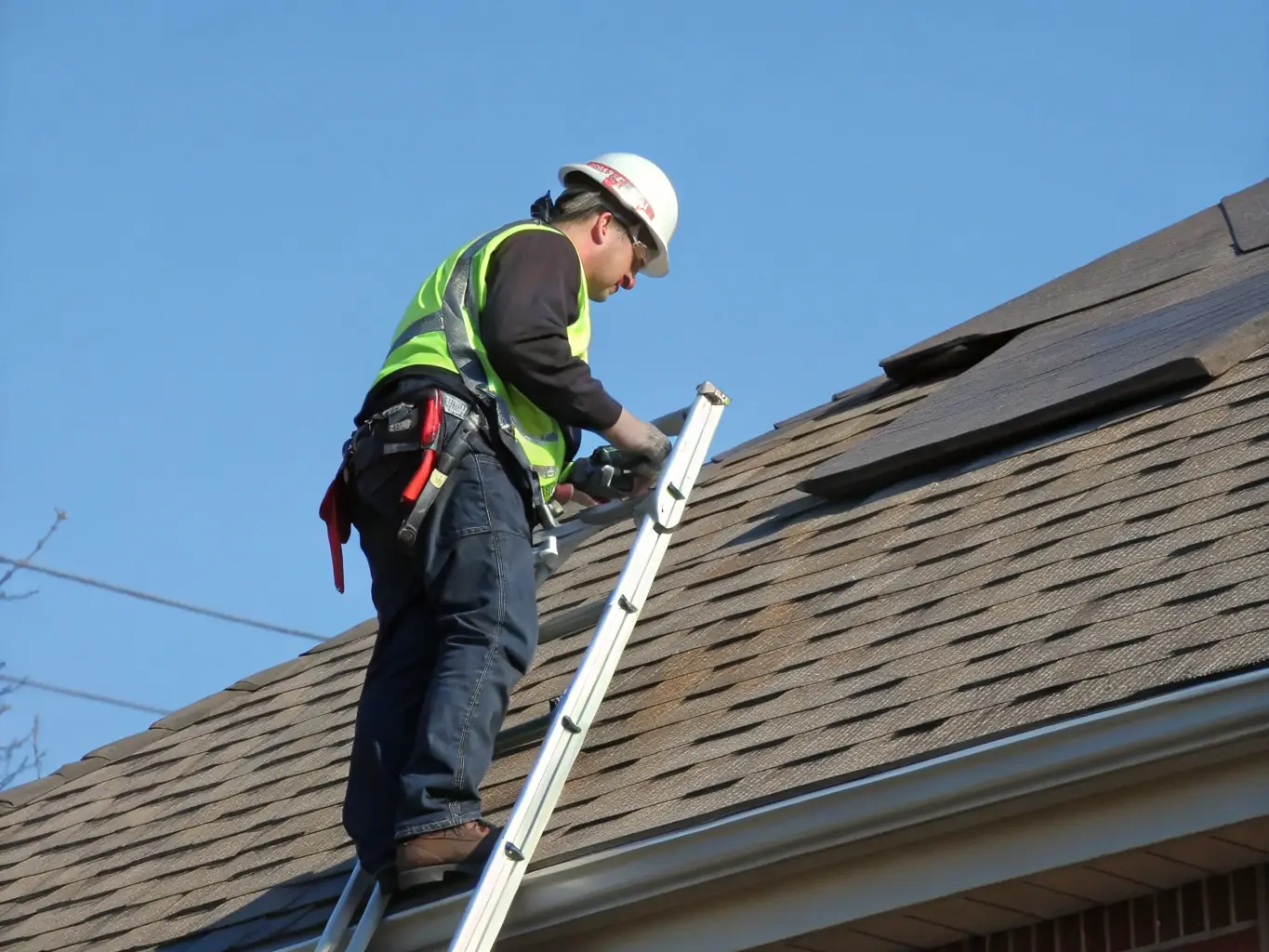
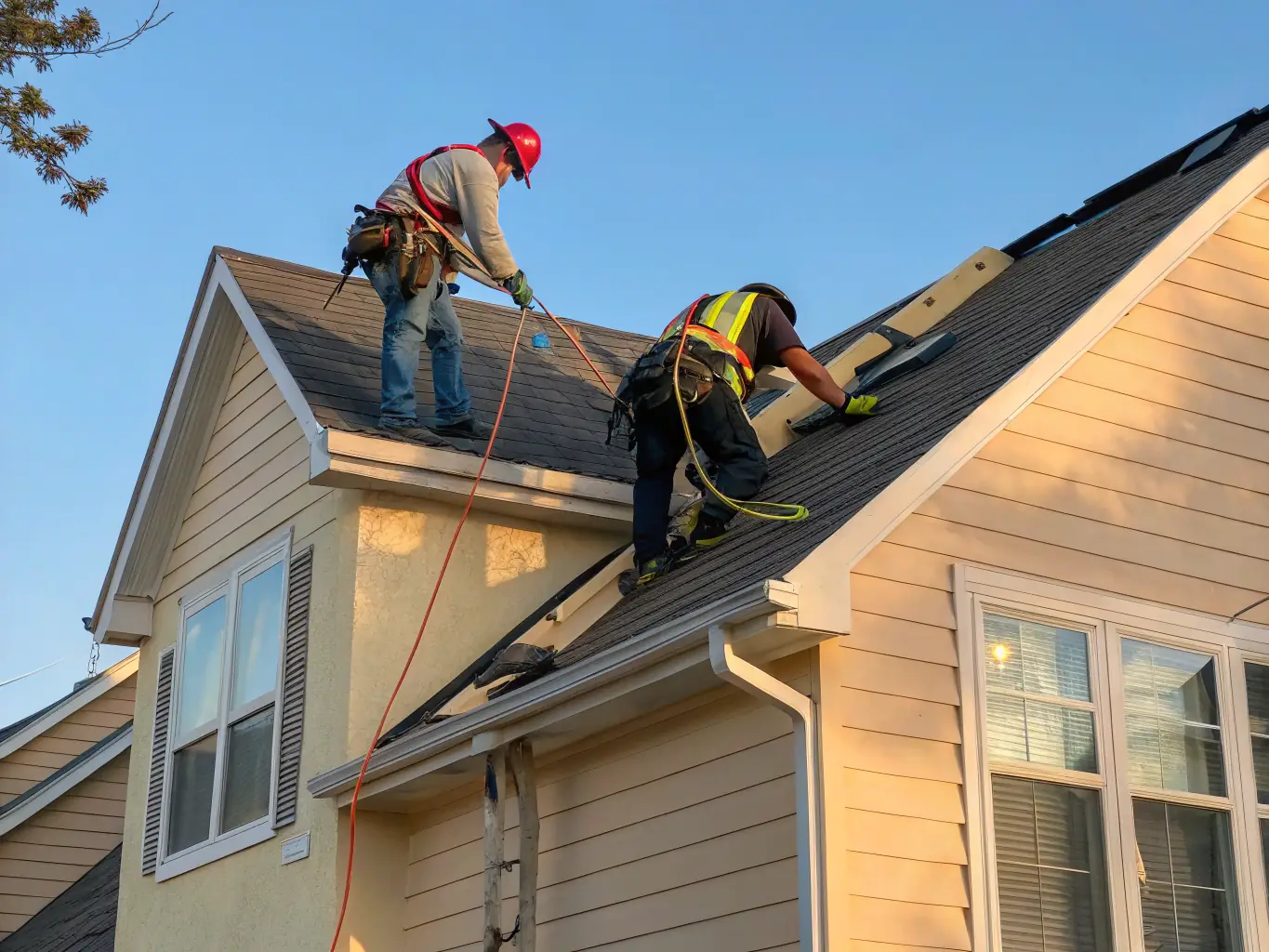
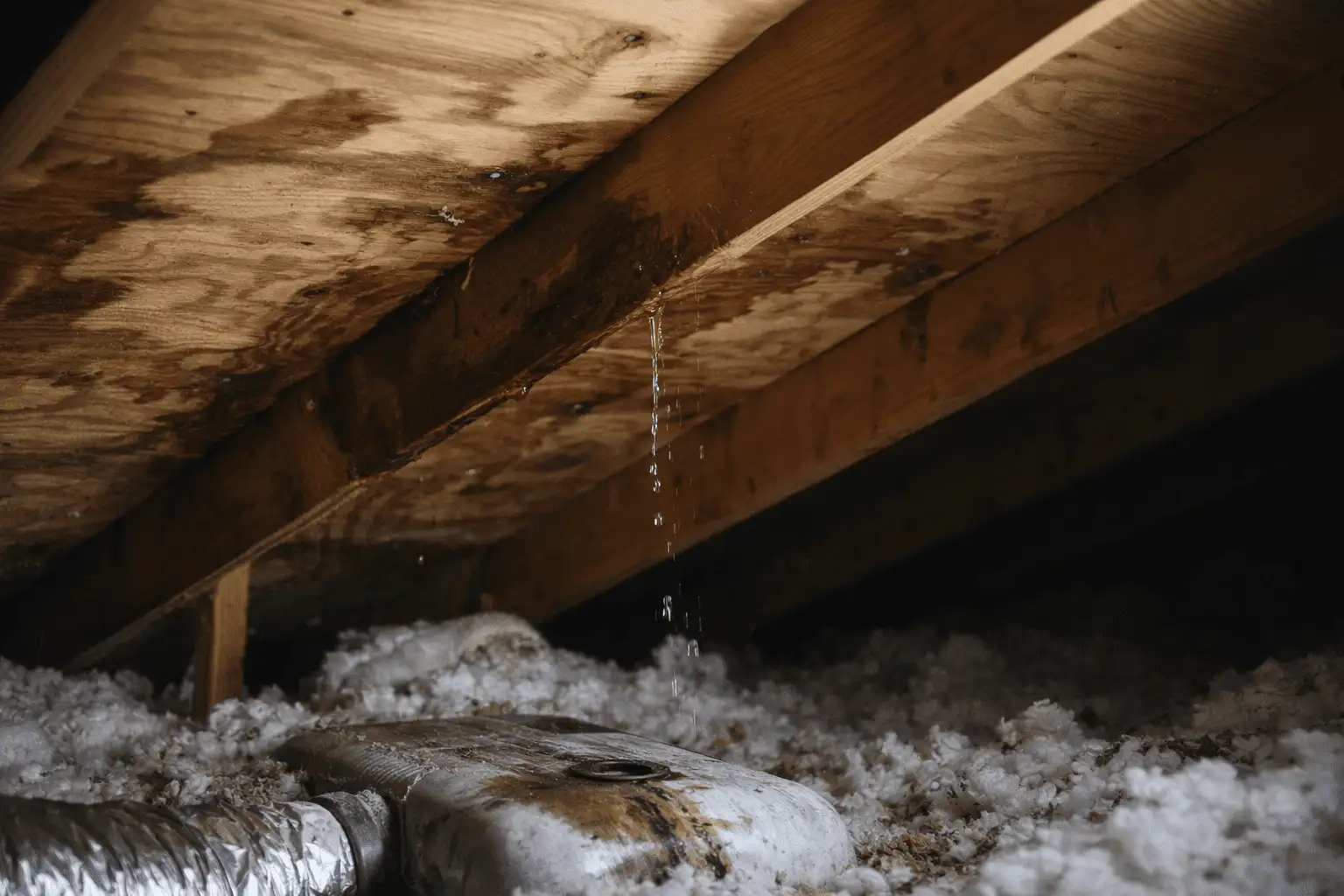
In Erie, Colorado, hail, wind, heavy rain, snow and ice can damage roofing, flashing, windows and other exterior materials. Missing shingles or damaged flashing may create leak paths, while fallen trees or heavy debris can cause structural damage. Localized damage may be repairable; more severe cases or the roof’s overall condition may make replacement appropriate. Structural issues may require further evaluation before repairs are planned. We explain the options, required approvals and materials included in the proposed repair scope.
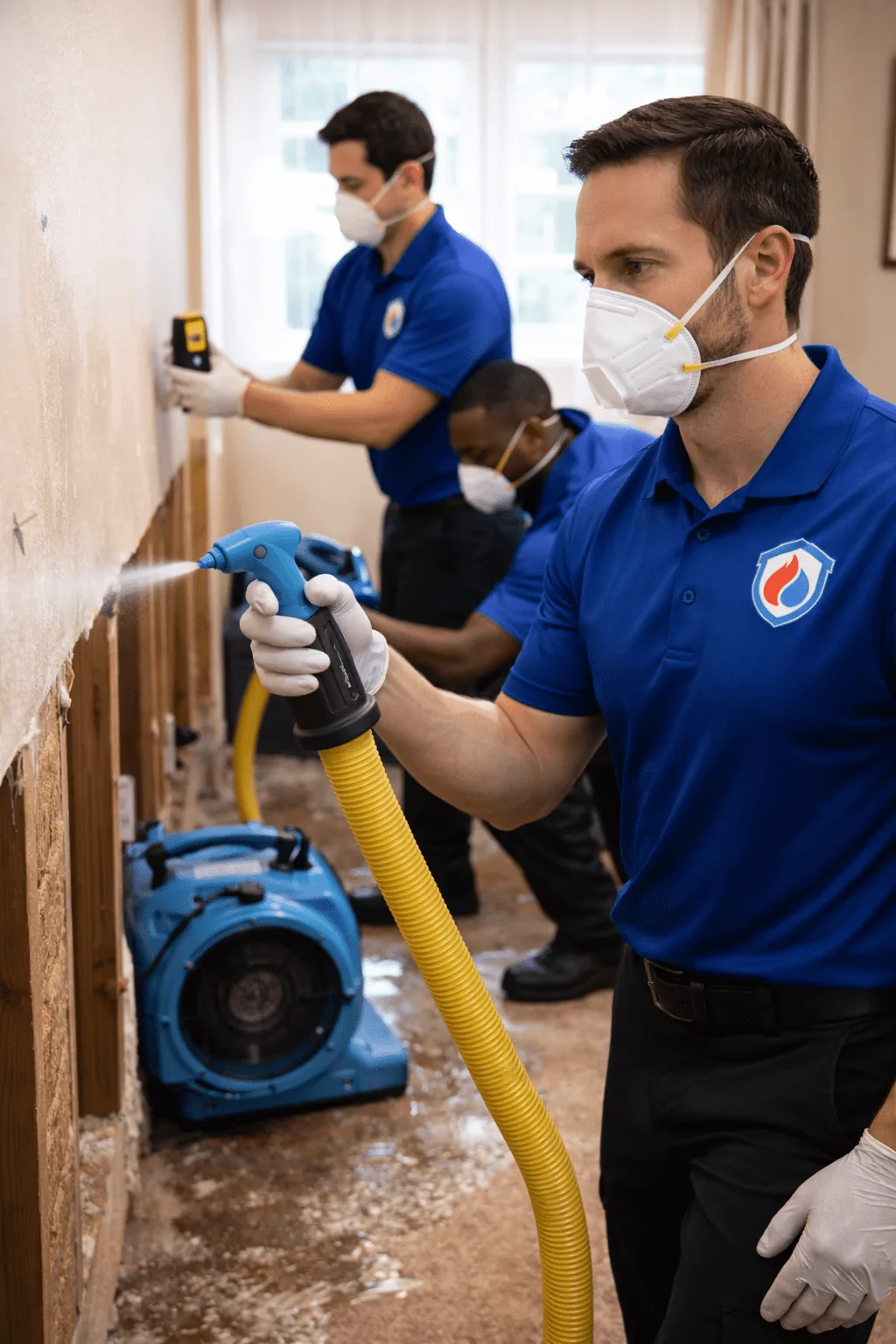
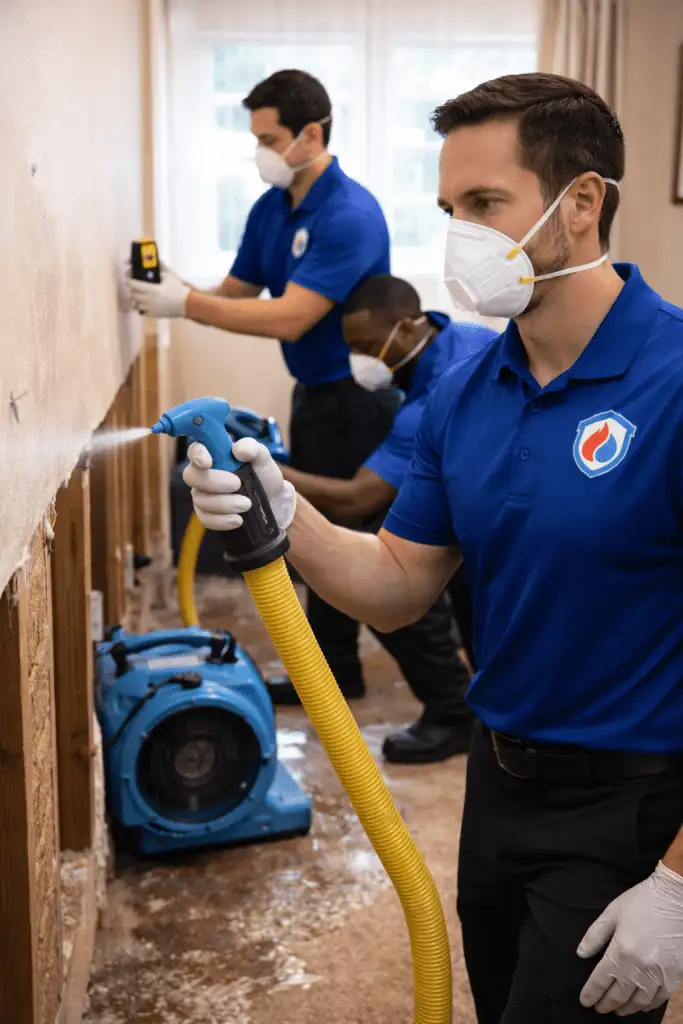
A roof leak can leave standing water on floors and moisture in ceilings, walls, drywall and insulation. The recovery plan connects roof repairs with water extraction and drying before finishes are restored. Ask which specialized equipment is appropriate for the affected materials. Moisture meters help assess wet areas, while air movers support drying. Persistent moisture can support mold growth, so the assessment also considers mold remediation. Air filtration devices may be part of a confirmed remediation scope. For storm-related flooding, discuss contamination concerns and which flood cleanup, drying and recovery services are needed to repair the damage.
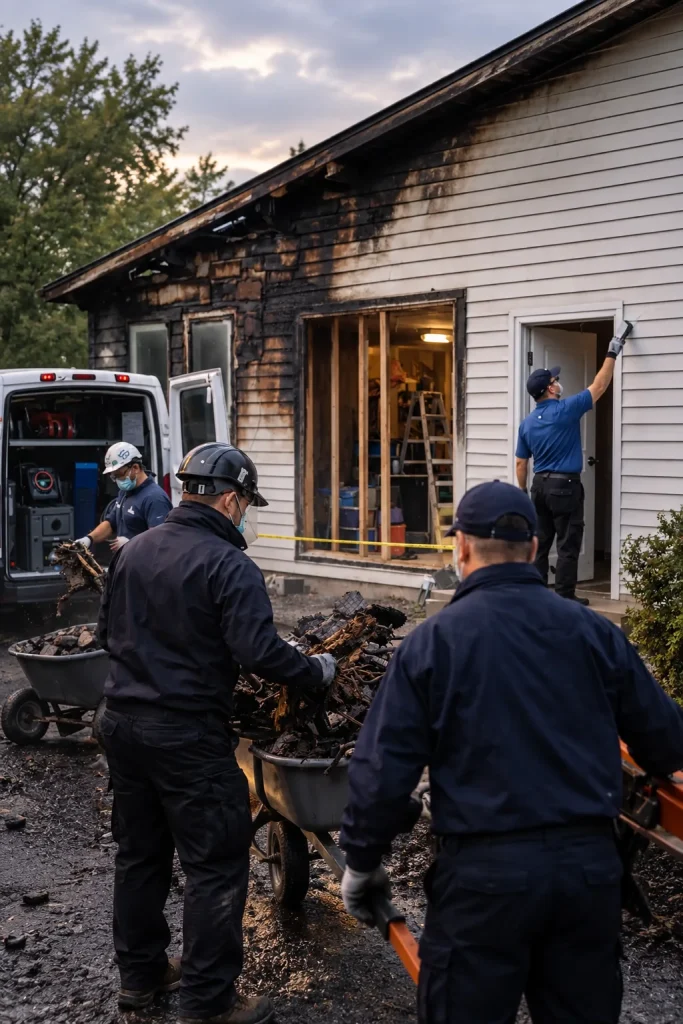
Yes. We discuss storm damage restoration for Erie homes and commercial properties, including damaged roofing, broken windows, exposed openings and interior water damage. Keep clear of downed power lines and anything touching them; report electrical hazards to 911 and the utility. Once the property can be accessed safely, call 303-558-8779 about availability and temporary protection. For commercial storm damage, describe affected building systems, occupied areas, tenants and business interruption concerns. This helps the restoration team plan access, priorities and work sequencing throughout the recovery process.